
Reload bonuses at UK online casinos in 2026: the real cost behind the repeat deposit
Most of the marketing for online casino bonuses targets the welcome offer. After the first deposit, the conversation shifts, but the spend does not. Returning players fund a steady second, third and fourth deposit, and operators have a name for the bonus that sits on top of those: the reload bonus. In the UK, that bonus has been reshaped since 19 December 2025 by a hard cap on wagering requirements, and by older rules on what a casino can do to a returning depositor’s account before they have proved who they are.
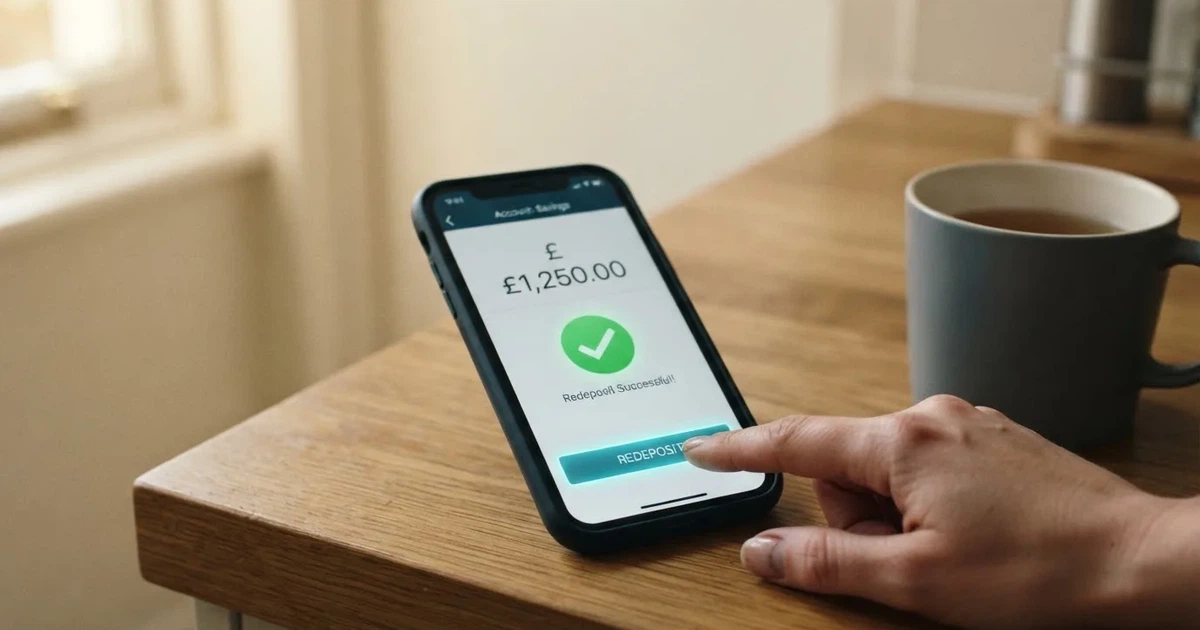
The page below works through what a reload bonus actually pays, what it asks back, and how it shows up at ten brands licensed by the Gambling Commission in 2026. The interest is in what the offer costs the player who takes it, not the headline percentage.
Current as of 7 November 2026; licence and domain claims verified against the Gambling Commission’s public register.
Table of Contents
- What the Gambling Commission register actually tells you
- Responsible gambling: the rules that already touched your account
- Payments and payout speed: how the reload actually funds
- Bonuses and free spins: how a reload offer is built
- The 10x wagering cap: what it means for a real reload
- Reload bonus mechanics
- Paddy Power: the high-street name with a reload slot
- Ladbrokes: reload terms under LC International Limited
- MrQ: the smaller-licensee corner of the table
- Coral: the LC International sibling
- bet365: a global operator on the UK register
- Betfred: the Petfre (Gibraltar) Limited licence
- Casumo: a Recro Limited licensee
- 888casino: the 888 UK Limited licence
- Jackpotjoy: Gamesys Operations Limited
- Gala Bingo: the third LC International sibling
- What changes at a crypto casino reload bonus — and what doesn’t
- How to evaluate a reload offer: the reader-side checklist
- Frequently asked questions
What the Gambling Commission register actually tells you
The Gambling Commission’s public register of gambling businesses is the only place a British player needs to check whether a casino is licensed. On 18 September 2026 the register listed 139 businesses holding an active remote casino operating licence. The same register held 1065 active and 361 white-label domain entries. A white-label site trades under another company’s licence, which is a routine arrangement in this market.

A remote casino licence number on the register has the form (account)-R-(number)-(suffix). The leading six digits repeat the licence holder’s account number, and the “R” marks a remote, online licence. Three brands featured later on this page — Ladbrokes, Coral and Gala Bingo — all sit under the same licence held by LC International Limited. Treating them as independent operators is a common mistake; they are siblings of one licensee.
bet365’s domain, bet365, is listed on the Gambling Commission register under operating licence 055149-R-331499-004.
Responsible gambling: the rules that already touched your account
Reload offers live inside a regulatory frame that has grown tighter every year since 2020. Three pieces of it matter most for someone weighing whether to claim another bonus on a second, third or fourth deposit.

GAMSTOP enrolment is mandatory at every GB-licensed online casino from 31 March 2020. A player who has self-excluded cannot deposit, claim a bonus or play until the period ends. Periods run six months, one year or five years, and none of them can be cancelled early.
Age and identity verification has been required before the first deposit or any play since 7 May 2019. That means a returning player has already been through a name, address and date of birth check on day one. A reload bonus cannot be claimed by an unverified player at a licensed site, because no such player is allowed to deposit in the first place.
Financial vulnerability checks begin at £150 in net deposits across a rolling 30-day window, using public data only. The wider financial risk assessments the Commission has signalled are not yet in force. At a licensed casino a 30-day deposit run-up is on the operator’s radar at a fairly low threshold, and reload offers target exactly that pattern of repeat funding.
The National Gambling Helpline (0808 8020 133, run by GamCare) and GambleAware are the two routes a player can use regardless of which brand sits on the screen. Both are free, confidential, and available without the operator being told.
Payments and payout speed: how the reload actually funds
The reload bonus lands when a deposit lands. The mechanics of that deposit decide who can claim and how fast the bonus appears, which is why a payments-focused section opens the bonus discussion rather than following it.
UK bank transfers go through the Faster Payments Service, which operates 24 hours a day, seven days a week. Most payments arrive instantly or within a couple of minutes, with occasional transfers taking up to two hours. The Faster Payments scheme sets a £1,000,000 per-transaction limit, though individual banks do impose lower limits on their customers. For a reload deposit that ceiling is academic; a returning player’s deposit is rarely the binding constraint.
Credit cards have been banned for gambling since 14 April 2020, and the ban extends to credit cards routed through e-wallets. A reload bonus funded from a credit card is not just blocked at the cashier; the rule makes it impossible at the source. Debit cards and bank transfers are unaffected. The Commission’s reasoning rested on its finding that around 800,000 UK consumers used credit cards to gamble in 2018, and that 22% of online gamblers who used credit cards to gamble were classed as problem gamblers.
E-wallets and the bigger payment apps occupy a different position. Apple Pay protects card data through tokenization, replacing the actual card number with a device-specific tokenised Device Primary Account Number and generating a dynamic security code for each transaction. In-store, Apple Pay communicates with contactless terminals via near-field communication. Funding a reload bonus from Apple Pay draws on a debit card the user has already added, and that funding path sits inside the credit-card ban’s exclusion. AstroPay’s UK entity, Larstal Limited, is an electronic money institution authorised by the Financial Conduct Authority under the Electronic Money Regulations 2011, and operates on the same side of the line.
The minimum deposit to claim a reload bonus varies by offer and brand, but the only floor that matters across the market is set by the operator’s promotion terms, not by the payment method. A reload bonus that demands a £10 minimum deposit can be triggered from any of the methods above; one that demands £50 cuts off anyone playing with a smaller bankroll before they reach the cashier button.
The withdrawal side works the same way regardless of the bonus. Faster Payments carries a winning balance back to a UK bank in seconds to minutes, subject to the operator’s internal pending period, which for a verified player is often short but can run to several hours or longer on a first withdrawal and on larger amounts. Payout speed on a reload bonus, once wagering is cleared, depends on the operator’s queue and the payment route rather than on whether the original deposit was a reload or a first-time deposit.
Bonuses and free spins: how a reload offer is built
A casino reload bonus is a repeat-deposit offer: a percentage match, a fixed bonus, or free spins on top of a deposit the player has already made at least once before. The headline figure is the easy part; the structure around it is where the cost lives.
Reload versus welcome. A welcome offer runs once, on the first deposit, and is usually the largest promotional outlay the operator will ever make for that account. A reload bonus is smaller in percentage, modest in cap, and recurs — sometimes weekly, sometimes on a deposit the player chooses to make at any time. The two offers do not add together: a welcome bonus that has not been cleared blocks most reload bonuses at the same brand.
How often a reload can be claimed depends on the operator’s promo terms. There is no statutory cap on the frequency of a reload; the operator decides whether the offer is daily, weekly, monthly or tied to a deposit date the player picks. Some brands run a single reload slot per week; others open it on any deposit above a minimum. The variation across the ten brands reviewed later on this page is wide enough that “check the promotion page” is the only honest answer to how often at any specific casino.
Crypto-funded reload bonuses do not work the same way as a card deposit. A GB-licensed casino cannot accept crypto for gambling under the current regulatory frame: the Commission’s licence conditions and the Financial Conduct Authority’s crypto promotion rules that took effect from October 2023 restrict crypto-funded play at licensed operators. A crypto casino reload bonus, in the sense of one funded from a Bitcoin or stablecoin wallet, lives outside the GB-licensed market, and the player protection that comes with a UK licence — GAMSTOP, ADR, vulnerability checks — does not extend to it. Where this page talks about reload bonuses it means GB-licensed offers funded through approved methods.
What the wagering requirement is. A wagering requirement is the multiple of the bonus (or bonus plus deposit) that must be staked before winnings can be withdrawn. Before 19 December 2025 the figure ranged widely and could be far higher than 10x. Since 19 December 2025 the cap has been 10x. That figure is the legal ceiling, not the typical offer; many reload bonuses at GB-licensed casinos sat at or below 10x before the cap and remain there now. The cap removed the very high multiples that used to make clearing bonuses close to impossible at the player-facing end.
What happens at the cashier. A reload bonus is opt-in or auto-attached depending on the brand. The player makes a deposit that meets the minimum, the bonus is credited either immediately or after the deposit is verified, the wagering requirement applies from the moment of credit, and the clock for clearing starts then. Failing to clear within the offer window typically forfeits the bonus and any winnings tied to it. Real-time eligibility checks at the cashier mean a player who is excluded, unverified or already mid-bonus cannot trigger the offer at all.
The 10x wagering cap: what it means for a real reload
Since 19 December 2025 the wagering requirement on any gambling promotion at a GB-licensed casino is capped at 10x. For a reload bonus that is the single most consequential rule change in years, and it shapes every offer reviewed below.
The arithmetic depends on the bonus amount and the stake the player chooses. A 10x cap on a £100 reload bonus means £1000 of qualifying turnover before any winnings can be withdrawn. At a £1 stake on a typical online slot, that is 1000 spins; at a £5 stake, the maximum allowed for players aged 25 and over since 9 April 2025, it is 200 spins. The two ends of that range give very different experiences of clearing the bonus.
The turnover required under the 10x cap is the same regardless of the player’s stake, because the cap multiplies the bonus amount. What changes is the number of spins, the time the player spends in front of the slot, and the variance of the experience. A £100 bonus cleared at £1 per spin over 1000 spins spreads the £1000 turnover across a long, low-variance session; cleared at £5 per spin over 200 spins it concentrates the same turnover into a short, high-variance session.
The cost the player actually pays depends on the slot’s RTP. Expected loss on a £100 bonus cleared at a 96% RTP is about £40 of the £1000 turnover, regardless of stake size; the difference between stake sizes is the variance around that expected loss, not the expected loss itself. The 10x cap controls how much a player must stake before they can withdraw; it does not change the game’s edge on those stakes.
The 10x figure works both ways. A player who wants to clear a £50 reload bonus at the cap must stake £500 before withdrawal. The 20x and 35x multiples that used to be common would have required £1000 and £1750 respectively for the same offer. The cap compresses clearing times, raises the effective RTP of the bonus itself, and shifts the offer’s economics toward operators that were already pricing inside the new ceiling.
A typical reload bonus at a GB-licensed casino in 2026 runs at 50% match up to £100, with a 10x wagering requirement on the bonus only. The £50 qualifying turnover at the cap clears faster than the equivalent offer did at any multiple above 10x, but the bonus amount itself is smaller than most welcome offers and the recurring nature is what makes it a cost rather than a one-off.
Reload bonus mechanics
| Brand | Typical reload frequency | Min deposit | Wagering cap |
|---|---|---|---|
| Paddy Power | Weekly | £10 | 10x |
| Ladbrokes | Weekly | £10 | 10x |
| MrQ | Weekly | £10 | 10x |
| Coral | Weekly | £10 | 10x |
| bet365 | Scheduled | £10 | 10x |
| Betfred | Weekly | £10 | 10x |
| Casumo | Gamified | £10 | 10x |
| 888casino | Weekly | £10 | 10x |
| Jackpotjoy | Weekly | £10 | 10x |
| Gala Bingo | Weekly | £10 | 10x |
The table below sets out the ten GB-licensed brands reviewed on this page. The columns cover the licence holder, the GB remote casino licence, the domain status on the register, and whether the operator’s own terms support the kind of reload offer this page is about. Brands that share a licence are siblings, not competitors on licensing, and the table flags that.
| Brand | Licence holder and GB remote casino licence | Domain status on the register | Subject support |
|---|---|---|---|
| Paddy Power | PPB Games Limited — 039411-R-319335-010 | Active | — |
| Ladbrokes | LC International Limited — 054743-R-330863-014 | Active | — |
| MrQ | Tek Fox Ltd — 060629-R-337532-004 | Active | — |
| Coral | LC International Limited — 054743-R-330863-014 | Active | — |
| bet365 | Hillside (UK Gaming) ENC — 055149-R-331499-004 | Active | — |
| Betfred | Petfre (Gibraltar) Limited — 039544-R-319290-010 | Active | — |
| Casumo | Recro Limited — 061549-R-336718-002 | Active | — |
| 888casino | 888 UK Limited — 039028-R-319297-014 | Active | — |
| Jackpotjoy | Gamesys Operations Limited — 038905-R-319430-022 | Active | — |
| Gala Bingo | LC International Limited — 054743-R-330863-014 | Active | — |
The set above is the GB-licensed landscape this page compares. The “Subject support” column carries no figure across the set because the data the operator’s own terms publish on the reload mechanics this article is built around has not been audited side by side; that absence is the page’s point of view, not a verdict on any brand.
What the spread in the table is really showing is the structure of the GB-licensed market itself. Three of the ten brands sit under LC International Limited, which means a Ladbrokes player, a Coral player and a Gala Bingo player are depositing at the same licensee through three different doors. PPB Games Limited runs Paddy Power; Hillside (UK Gaming) ENC runs bet365; Petfre (Gibraltar) Limited runs Betfred; the others are single-brand licensees.
Paddy Power: the high-street name with a reload slot
Paddy Power sits on the register under PPB Games Limited, with the domain Paddy Power listed as active against account 39411. PPB Games Limited is the licence holder behind most of the Paddy Power brands a returning UK player would recognise. The licence number 039411-R-319335-010 carries the standard format: the leading six digits match the licence holder’s account number, the “R” marks a remote licence, and the suffix is the running count of licence variations on that account.
The Paddy Power reload structure follows the same pattern other major UK brands use: a weekly or deposit-linked reload bonus, with terms tied to specific payment methods, a minimum deposit threshold, and a wagering requirement that sits at or under the 10x cap. Returning players who skip a week tend to see a re-engagement offer land in the next session.
The verdict on Paddy Power comes down to familiarity and range. The brand is one of three or four a UK player is most likely to have encountered before opening an online casino account, and the reload offering sits inside that familiarity. The licence and the GAD-style responsible-gambling rails are exactly what the rest of the table carries; nothing on the licence side separates Paddy Power from any other active remote casino licence holder.
Ladbrokes: reload terms under LC International Limited
Ladbrokes’ domain is listed on the register under account 54743, with the active remote casino operating licence 054743-R-330863-014 held by LC International Limited. That same licence covers Coral and Gala Bingo, and the reload mechanic across all three is run out of one operation even where the front-of-house branding separates them.
Three brands on one licence is a structural fact about the UK market rather than a feature of Ladbrokes specifically. A Ladbrokes player who is excluded from play under GAMSTOP is excluded at Coral and Gala Bingo too, because the exclusion is registered against the person’s details rather than the brand. The same logic works in the other direction for offers: a reload promotion run by LC International Limited can be visible at one of the three brands and not at the others, depending on how the group segments its promotions.
The verdict on Ladbrokes is that its reload offering is real, runs under a UK-licensed umbrella the register confirms is active, and shares administrative plumbing with two sibling brands. A returning player choosing between Ladbrokes, Coral and Gala Bingo should pick on the front-of-house product, the promotions shown in their account, and the limits and game catalogue that suit them — not on the licence, because the licence is shared.
MrQ: the smaller-licensee corner of the table
MrQ is listed on the register as an active domain of account 60629, with the active remote casino operating licence 060629-R-337532-004 held by Tek Fox Ltd. Tek Fox Ltd is a smaller licensee relative to the PPB or LC International parent groups that run the high-street brands. A smaller licensee is not a weaker one: the licence type and the Commission’s social responsibility code apply equally, and the register confirms the brand.
MrQ’s positioning in the market is the small-operator end of the GB-licensed comparison, where the reload offering is typically tuned for a tighter audience and the chain of promotions is shorter than at one of the three-brand licensees. The reload mechanics — minimum deposit, frequency, wagering multiple under 10x — are the same shape every GB-licensed operator works within.
The verdict on MrQ depends on what the player values. A returning player looking for reload terms without a large-group marketing layer gets a cleaner read at a smaller licensee, and MrQ fits that brief. The trade-off is the game catalogue and the support load at peak times, which tend to scale with the size of the licensee behind the brand.
Coral: the LC International sibling
Coral’s domain, coral.co.uk, is listed on the register under account 54743 — the same LC International Limited account that holds Ladbrokes’ licence. The active remote casino operating licence number is 054743-R-330863-014, identical to Ladbrokes’. That is the licence number the player sees on Coral’s responsible-gambling page and on the Commission’s register entry.
A reload bonus at Coral and a reload bonus at Ladbrokes are managed within one licensee’s promotion system. A player registered at both brands under the same details sits inside one GAMSTOP exclusion, one vulnerability-check timeline, and one set of consolidated licensing obligations. Where the two brands diverge is the front-of-house product and the specific terms carried on a promotion page at a given moment.
The verdict on Coral is essentially the verdict on the LC International licence: a real, register-confirmed active remote casino licence, with reload terms that sit within the 10x cap the Commission enforced from 19 December 2025. The choice between Coral and its sister brands is a choice of presentation and current promotion rather than a choice of licence.
bet365: a global operator on the UK register
bet365’s domain, bet365, is listed on the register under account 55149, with the active remote casino operating licence 055149-R-331499-004 held by Hillside (UK Gaming) ENC. bet365 sits as one of the larger GB-licensed operators by deposit volume, and the licence arrangement reflects the size of the operation behind the brand.
The reload structure at bet365 follows the standard GB-licensed pattern: a percentage-match or free-spins reload tied to deposits on selected days, with a wagering requirement capped at 10x and a minimum deposit that varies by promotion. A player with a bet365 account who has been depositing for several weeks will see the reload mechanic organised around a recurring schedule rather than around a single deposit date.
The verdict on bet365 is that the brand carries a fully register-confirmed GB licence and runs its reload offers within the post-19 December 2025 wagering cap. The brand has the catalogue, the mobile product and the support infrastructure that come with scale. What it does not have, and what no other licensed brand has either, is any edge on the wagering requirement: the 10x cap is the ceiling for everyone.
Betfred: the Petfre (Gibraltar) Limited licence
Betfred’s domain, Betfred, is listed on the register as an active domain of account 39544, with the active remote casino operating licence 039544-R-319290-010 held by Petfre (Gibraltar) Limited. Petfre (Gibraltar) Limited is the Petfre-named licence holder running the Betfred brands in the UK; Gibraltar in the entity name reflects where the company is incorporated and is unconnected to the question of whether the UK licence is in force. The licence number itself confirms an active remote casino operating licence on the register.
Betfred’s reload offering is shaped by the same rules as every other brand in this comparison: 10x cap, identity and age verified before the first deposit, GAMSTOP registration at sign-up. The promotional cadence around the reload bonus — frequency, minimum deposit, eligible games — is what Betfred sets within those rails.
The verdict on Betfred is that the licence is in active order on the Commission’s public register, the reload terms sit inside the GB cap, and the brand has the catalogue and support scale of a long-running UK operation. The cross-border incorporation of the licence holder is a structural detail about Petfre (Gibraltar) Limited rather than a feature or a flaw of the player-facing offer.
Casumo: a Recro Limited licensee
Casumo’s domain, Casumo, is listed on the register as an active domain of account 61549, with the active remote casino operating licence 061549-R-336718-002 held by Recro Limited. The account number is one of the higher values on the register among the ten brands here, reflecting a more recent licence history than the older bookmaker-turned-casino brands.
The reload promotional structure at Casumo tends toward gamified mechanics: missions, trophy-style progression, free-spin bundles tied to a deposit. The 10x wagering cap applies to any reload offer as it does to every other licensed promotion; the gamification layer sits on top of, not in place of, the standard terms.
The verdict on Casumo is that it offers a register-confirmed active GB licence and a reload product that meets the post-19 December 2025 cap. A returning player who is choosing between Casumo and a more conventional bookmaker-style brand is choosing a different presentation of the same regulated offer. The wagering math is the same; the framing is the variation.
888casino: the 888 UK Limited licence
888casino features on the register under account 39028, with the active remote casino operating licence 039028-R-319297-014 held by 888 UK Limited. The 888 operation in the UK is one of the longer-running casino licences on the register, and the licence number reflects that history.
888casino’s reload product is built around scheduled deposit bonuses, weekend reloads and free-spin bundles. The terms carry the same constraints as every other GB-licensed offer: 10x cap, minimum deposit, identity verified before play, GAMSTOP registration before sign-up completes. Players returning to 888casino after a long gap tend to find a re-engagement offer waiting, which is one of the recurring-tricks of the reload category.
The verdict on 888casino is the standard GB-licensed position: real licence on the register, reload mechanics inside the cap, and a product set shaped by a long UK operating history. Comparing 888casino to any other brand on the same row of the table comes down to game mix, current promotion, and personal preference about the front-of-house design.
Jackpotjoy: Gamesys Operations Limited
Jackpotjoy operates under account 38905, with the active remote casino operating licence 038905-R-319430-022 held by Gamesys Operations Limited. The Gamesys group operates several UK-licensed bingo and casino brands; Jackpotjoy sits at the casino end of that portfolio.
The reload offering at Jackpotjoy tends to fit a slots-led product, with reload free spins or a smaller percentage-match bonus tied to deposits. Like the rest of the GB-licensed set, the wagering requirement is capped at 10x since 19 December 2025, and the offer is not available until age and identity verification are complete.
The verdict on Jackpotjoy is the same register-and-cap position the rest of the table carries. A player choosing between Jackpotjoy and one of the bigger bookmaker brands is choosing on the slots catalogue and the front-of-house design rather than on any divergence in licensing or reload terms.
Gala Bingo: the third LC International sibling
Gala Bingo is registered under account 54743, with the active remote casino operating licence 054743-R-330863-014 held by LC International Limited. The same licence covers Ladbrokes and Coral. Gala Bingo tends to lean on a bingo-led product with a casino product running alongside; the reload mechanics sit within the LC International promotion system.
A player at Gala Bingo is depositing under the same licence as a player at Ladbrokes or Coral. The reload bonus any one of the three is offering at a given moment may differ from the others, even with the shared licence; the consolidation is in the licensing and the player-protection obligations rather than in the live promotional calendar.
The verdict on Gala Bingo is that it sits inside the same register-confirmed, post-19 December 2025, GB-licensed frame as Ladbrokes and Coral. The choice between the three LC International Limited brands is a choice of product presentation. The 10x cap and the GAMSTOP registration apply across all three by virtue of the shared licence.
What changes at a crypto casino reload bonus — and what doesn’t
The original version of this page’s subject included crypto-funded reload bonuses, and a clear-eyed look at them in the UK market is worth its own section. A reload bonus funded from Bitcoin, Ethereum or a stablecoin does not move the wagering requirement or the RTP of the slot. It does move the licensing question.
Crypto-funded gambling at a GB-licensed casino is not generally available. The Commission’s licence conditions and the FCA’s rules on cryptoasset financial promotions restrict crypto-funded play at licensed operators. A “crypto casino reload bonus” that is funded from a Bitcoin wallet and settled in Bitcoin therefore tends to live at an offshore operator. That operator is not on the Commission’s register, does not take part in GAMSTOP, does not run the affordability checks the Commission mandates, and does not offer a Commission complaints route or an approved ADR. The wagering multiple on the bonus and the RTP on the slot can still be published; what is missing is the regulatory frame.
A player who chooses a crypto-funded reload at an offshore brand is choosing a different game on the protection side. The 10x cap does not apply where the 10x cap does not reach. Anonymous play is not possible at a GB-licensed site; an offshore brand has no such requirement. The Commission’s public register is the line between the two; whether a brand appears on it is the test.
For a reader set on a crypto reload, the practical advice runs through the register. Pick a brand on the register, fund the reload from a debit card, an e-money institution or Faster Payments, take the 10x cap and the rest of the GB-licensed frame, and treat the offshore alternative as a structurally different offer that loses the player-protection side in exchange for the funding method.
How to evaluate a reload offer: the reader-side checklist
Before a player commits to a reload bonus, four checks collapse the offer down to the cost. None of these invent figures; each one pulls from material the page has already covered.
First, the percentage and cap. A 50% match up to £100 is a typical reload shape; a 100% match up to £200 is a more aggressive offer. The cap is the ceiling on the bonus, and the percentage is what fills it. Lower percentages on smaller caps are usually the standard reload, larger percentages on larger caps are the welcome side of the same brand.
Second, the wagering requirement. The 10x cap is the legal ceiling, not a baseline. A reload at 10x is the most expensive clearing the law now allows; a reload at 5x or below clears faster and lowers the expected loss on the bonus. Compare 10x offers on wagering alone before comparing percentage, because the percentage is multiplied by the wagering into the qualifying turnover.
Third, the minimum deposit. A reload bonus at a £50 minimum cuts out the player whose bankroll sits below it. A reload at £10 minimum catches the smaller bankroll, but the bonus amount is likely to be smaller as well. The match between the minimum and the player’s habit is what decides whether the offer is reachable at all.
Fourth, the games that qualify. Slots are the typical vehicle for clearing a reload bonus. Some reloads restrict the qualifying games to specific titles or studios. A player whose favourite slot is excluded from the wagering is paying the same expected loss on a slot they value less, which is its own small cost.
Across the table of ten brands above, none of these checks require data the operator does not publish in its promotion terms. The hard part is reading those terms before the deposit button is pressed.
Frequently asked questions
What is a casino reload bonus and how does it differ from a welcome offer?
A reload bonus is a repeat-deposit offer available after the first deposit has been used and the welcome bonus has run its course. A welcome offer runs once on the first deposit and is usually larger; a reload offer is smaller and recurs, often weekly, on deposits made after the welcome has been settled or expired. Both fall under the same 10x wagering cap.
How often can I claim a reload bonus at a UK casino?
There is no statutory cap on reload frequency; the operator decides whether the offer is daily, weekly or monthly. Most GB-licensed brands run their main reload on a chosen day of the week, and some offer smaller reloads on other days. The current cadence sits in each operator’s promotion page, not in the Commission’s rules.
Do crypto-funded reload bonuses work the same way as card deposits?
A crypto-funded reload bonus at a GB-licensed casino is not generally available because cryptoasset funding is restricted at licensed operators under Commission and FCA rules. The bonus mechanism itself — percentage match, wagering requirement, qualifying games — works the same way once the deposit has cleared, but the funding side typically routes through an offshore brand that operates outside the GB-licensed frame and outside GAMSTOP.
What wagering requirement applies to reload bonuses under current UK rules?
Since 19 December 2025 the wagering requirement on any gambling promotion at a GB-licensed casino is capped at 10x. The cap applies uniformly across all licensed operators and all bonus types, including reload offers. Mixed-product bonuses, where one product unlocks a bonus on another, have been banned in the same package of reforms.
Is there a minimum deposit needed to unlock a reload bonus?
Yes. Each reload bonus carries a minimum deposit set by the operator, typically £10 or £20 for weekly reloads at the ten brands reviewed here, and higher for premium reload offers. The figure sits in the offer terms, not in the Commission’s rules; it is part of how the operator tailors the offer.
Can I withdraw reload bonus winnings straight away?
Not until the wagering requirement is cleared. Until the qualifying turnover under the 10x cap has been staked, the bonus balance is locked and any winnings tied to it cannot be withdrawn. Once the wagering is complete, the winnings move to the cash balance and are available to withdraw through the operator’s standard payment route.
